
Struggling to write something that genuinely helps the reader while still competing in Google search?
It is a challenge many content teams recognize.
This guide explores how to topics: practical, search-friendly ideas that answer real questions and help people make progress. Adding “how to” to a headline is only the beginning. The value comes from choosing a useful problem, explaining it clearly and giving the reader a sensible route from understanding to action.
Start with the foundations below.
What Makes a Topic a How-To?
Think of how-to topics as a core form of useful online information: tutorials, instructions and step-by-step explanations that help someone complete a particular task.
From “how to tie a tie” to “how to launch a startup with zero dollars,” the format can:
- Answer a specific question
- Help the audience learn
- Demonstrate the brand's expertise
- Reach more specific long-tail searches
The appeal is simple: people value information they can use.
Why the How-To Format Attracts Attention
If you are weighing whether to invest in practical guides, consider these figures:
| Statistic | Source | Insight |
|---|---|---|
| 86% of people turn to Google for "how to" content weekly | Google Trends | Indicates substantial audience demand |
| "How to" searches have grown over 140% in the past 10 years | Think With Google | Shows continuing growth |
| 61% of marketers say "how-to" content drives the most traffic | Content Marketing Institute | Points to the format's traffic potential |
Ask yourself: is growing relevant organic traffic a priority? If so, how-to topics deserve a place in the content plan.
Choose a Topic With a Clear Job to Do
A strong how-to idea has a clear purpose. Use these principles to move from a broad subject to a useful guide:
1. Be Specific About the Outcome
Move beyond a vague title such as:
“How to Get Better at Business”
A more focused alternative is:
“How to Write a Business Plan That Attracts Investors in 2025”
2. Address a Real Difficulty
Look at the subject from the reader's perspective. What are they actually trying to solve?
3. Reflect the Way People Search
Use language that feels natural to the audience, including searches such as:
- How to make cold brew coffee at home
- How to get rid of back pain naturally
4. Add Numbers Where They Clarify
“How to Lose 10 Pounds in 30 Days”
Outperforms
“How to Lose Weight”
Numbers make the intended result clearer.
Find More Useful How-To Ideas
If the topic list feels empty, use a few focused prompts to explore the problems your audience wants solved.
Prompts to Start the Research
- How to avoid [common mistake]
- How to achieve [desired goal] in [timeframe]
- How to fix [specific issue] without [unwanted method]
- How to choose the best [product/tool] for [situation]
- How to [verb] like a pro
Tools That Help Surface Questions
| Tool | Useful For | Link |
|---|---|---|
| AnswerThePublic | Visual exploration of search terms | answerthepublic.com |
| AlsoAsked | Questions people ask around a subject | alsoasked.com |
| Google Auto Suggest | Relevant searches as you type | Begin typing a phrase in Google |
| HubSpot Blog Ideas Generator | Topic suggestions from your keywords | blog.hubspot.com |
Give the Guide a Structure Readers Can Follow
Once the topic is clear, organize the explanation so readers can act on it. This sequence provides a practical starting structure:
1. Write a Clear Headline (H1)
Make the result of following the guide obvious.
✅ How to Cook a Restaurant-Quality Steak at Home
❌ Cooking Steak Tips
2. Give the Opening a Reason to Read
Use the first 100 words to establish relevance with a personal story, a striking point or an interesting statistic.
3. Break the Task Into Labeled Steps
Give each stage its own section using H2s or H3s.
4. Explain Visually Where It Helps
Use images, infographics or tables to make complicated information easier to understand.
5. Finish With a Useful Next Step
Close with a recap, call-to-action, or next steps.
Make the How-To Guide Search-Friendly
Keep the writing useful for people, then make the subject and structure clear to search engines as well.
Practical Optimization Checks
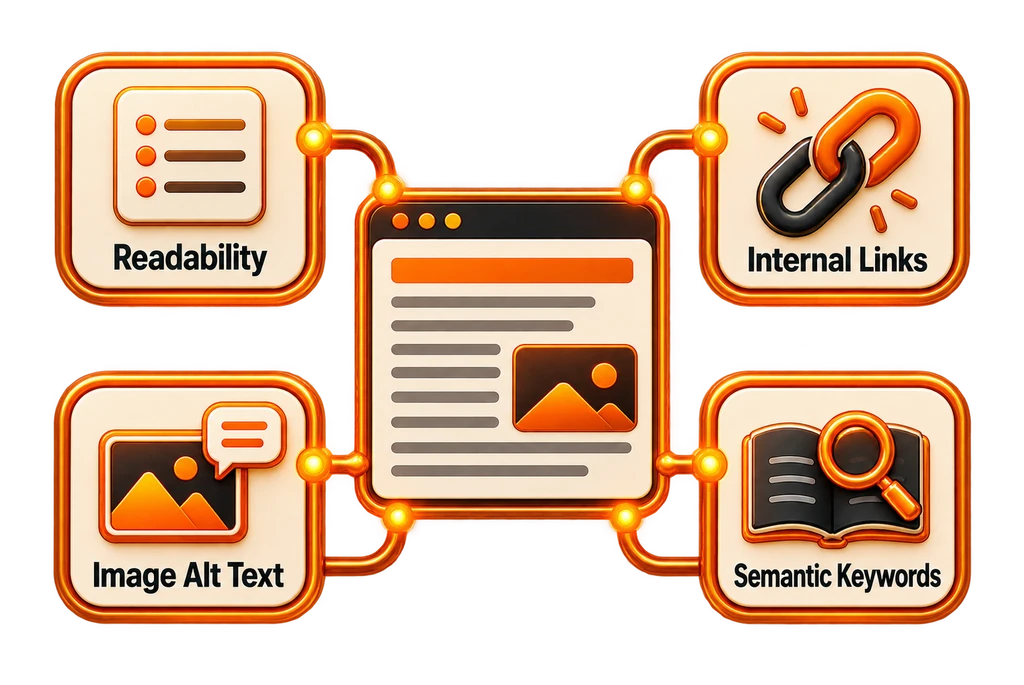
- Place the Keyword in the Title and First 100 Words
- Include semantic keywords such as “guide,” “steps” and “tutorial”
- Alt-text for every image
- Links to related guides on the same website
- Lists and bullet points that make the explanation easier to scan
An Example of a Focused SEO Title
How to Build a Custom Gaming PC: A Step-by-Step Guide for Beginners in 2025
The title contains:
- The keyword
- A specific audience and task
- A year that establishes timely relevance
Explore How-To Ideas Across Different Niches
The same practical format works across industries. These examples show how the task changes with the audience:
Business & Startups
- How to Validate a Business Idea Without Spending a Dime
- How to Pitch Your Startup to Angel Investors (Even If You’re Nervous)
Health & Wellness
- How to Start a Morning Routine That Actually Works
- How to Meditate in Under 5 Minutes (Even If You’re a Beginner)
Technology
- How to Use ChatGPT for Content Marketing in 2025
- How to Set Up Two-Factor Authentication on Any Device
Finance
- How to Save $500/Month on a Tight Budget
- How to Start Investing in Crypto Without Losing Your Shirt
Lifestyle
- How to Declutter Your Home in a Weekend
- How to Travel Europe on $50 a Day
Connect Helpful Guides With Business Outcomes
The next step is to connect the education with an appropriate action.
Offer a Content Upgrade
Give readers a downloadable guide, checklist or workbook that helps them use the information.
“Want a printable version of this how-to guide? Download our free checklist!”
Make the Next Action Clear
A relevant invitation might be to:
- Subscribe to the email newsletter
- Explore the relevant product or service
- Watch a related video on YouTube
Provide a Useful Lead Magnet
A practical free resource gives someone a reason to stay connected, such as:
- Free, reusable templates
- A short email course
- A practical worksheet
Avoid the Mistakes That Make a Guide Less Useful
A guide should remove confusion, not add to it. Watch for these common problems:
- A topic that is too broad: Reduce the scope to a clear task.
- Missing steps: Explain the foundations instead of assuming the reader knows them.
- No visual support: An unbroken wall of text is never easy to enjoy.
- Forced keyword repetition: Keep the language natural and readable.
- No next action: Help the reader see where to go after the guide.
Look at a Successful How-To Article
Consider this example and the elements behind its performance:
Post: “How to Make Cold Brew Coffee at Home”
The useful elements include:
- A straightforward, specific title
- A clear list of required tools
- Steps that are easy to follow
- Photographs for each stage
- An additional tip about flavor variations
- An FAQ section at the end
Reported results:
- 400K+ monthly visitors
- 2.5-minute average time on page
- 15% increase in product sales (coffee filters & beans)
Make the Explanation Personal and Simple
Readers do not need a perfect voice. They need something relatable.
Write as you would speak to a person. Contractions, lessons from mistakes and direct language help the explanation feel more human. Keep the emphasis on “you” rather than constantly talking about “we.”
Think of it like teaching your best friend something awesome—they trust you, so don’t overcomplicate it.
Turn a Real Problem Into a Better Guide
The value of how-to topics.
is bigger than attracting a visit. Good guides are also a way to earn trust.
Start with a real problem, use a natural voice and remember that a specific task makes a stronger guide.
A well-executed how-to article can support leads, improve conversion and make the brand a useful reference within its niche.
You do not have to manage all of that alone. With BrandBlasting as a content partner, complex subjects become clearer, more engaging and easier to use. We help develop authority through useful content while you concentrate on growing the business.
Common Questions About How-To Content
1. Where should I publish a how-to guide?
Useful options include:
- Your own website or blog for SEO
- YouTube for people who learn visually
- LinkedIn for a B2B audience
- Medium to reach additional readers
2. How much detail should a how-to article include?
A guide can run from 1,500 to 5,000+ words. More complex tasks need more explanation, but the structure should remain easy to follow.
3. Is AI useful for drafting how-to content?
Yes, as a form of support rather than a fully automated replacement. Bring your personal touch and experience into the final piece.
4. How can useful guides produce revenue?
Options include:
- Relevant affiliate links
- Digital products for sale
- Coaching or consulting support
- Advertising placements
5. What if someone has already covered the topic?
That does not rule it out. Make your explanation better with stronger clarity, useful visuals, current information and a distinct voice.