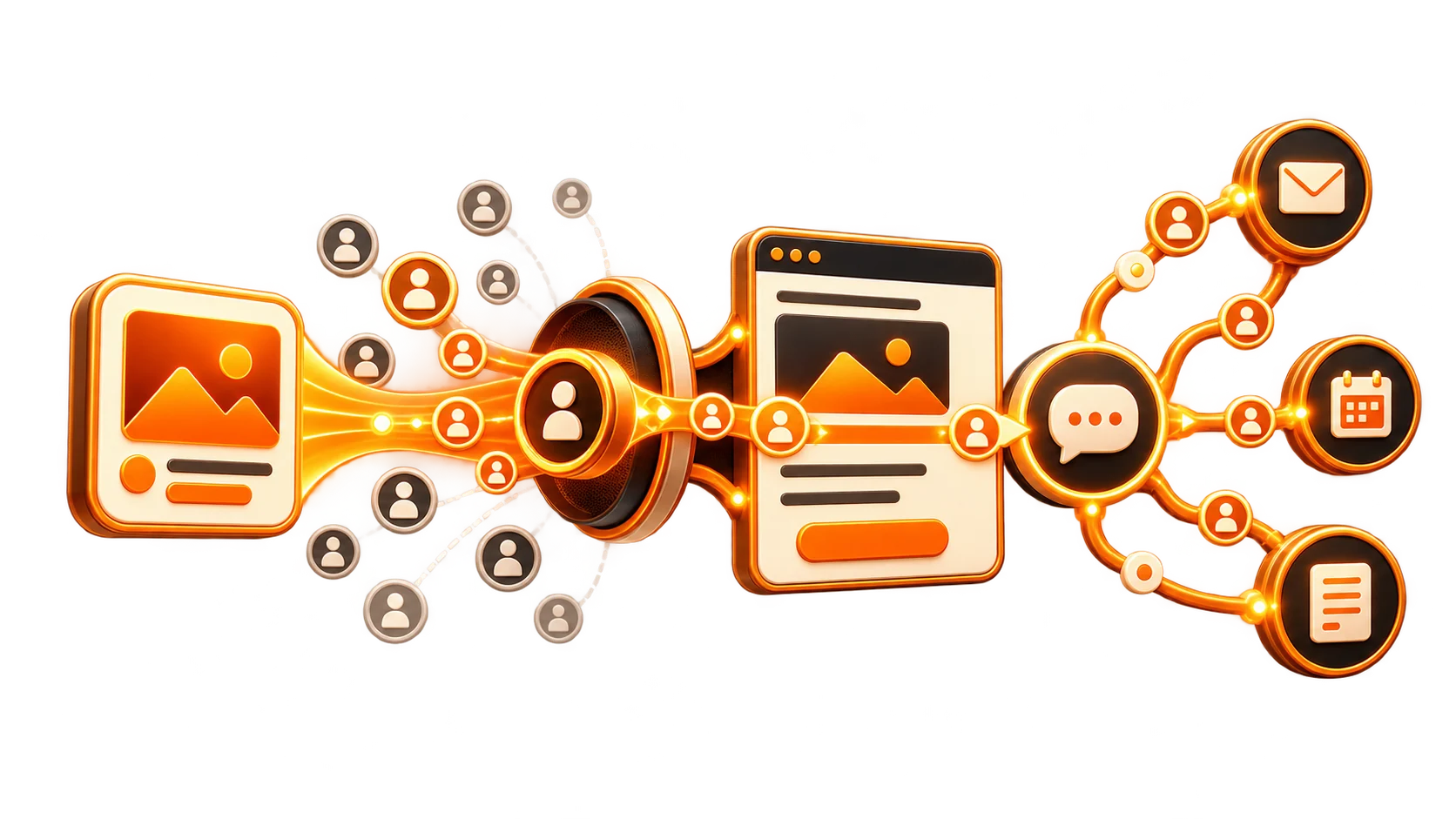
Relying on organic reach alone makes it harder for a business to get its message seen. A routine Facebook post or new blog article no longer has the same effortless access to attention. As social algorithms limit business visibility, more brands turn to paid advertisement services.
Paid social combines scale with audience precision. Demographics, interests and behavior help brands focus the investment on people more likely to engage, reducing wasted spend and creating better conversion opportunities. For example, consistent paid-ad branding can increase brand recall by up to 80%, helping people remember the message and making a later action more likely.
The change in organic reach has several causes. Platforms such as Facebook and Instagram increasingly prioritize personal connections, while more businesses compete for the same limited attention. Even strong content can disappear into that crowded feed. Publishing well remains important, but it may not provide all the reach a business needs.
How can a business reach the right people more deliberately? That is where paid ads add another route. They let you select audiences with a greater likelihood of engaging rather than leaving discovery entirely to organic distribution. The following paid advertisement services show the available options and the different roles they can play.
Understand the Main Paid Advertising Formats
Different formats serve different objectives. Start by understanding where each type of paid advertising can make the most useful contribution.
Social Advertising on Facebook, Instagram and TikTok
Social platforms give businesses targeted ways to introduce products, build recognition and bring visitors to a website. Their advertising tools make it possible to connect a relevant audience with content that suits the feed they are using.
- Facebook Ads: Facebook's advertising manager lets you build audiences around demographics, interests, behavior and other signals. Placements include the feed, Stories and sponsored Messenger content, giving you several ways to reach the people selected for the campaign.
- Instagram Ads: Facebook-owned Instagram provides similar targeting capabilities in a highly visual environment. Photos, videos and carousels can appear within feeds and Stories, making the platform a useful fit when the brand and offer benefit from a strong visual presentation.
- TikTok Ads: TikTok's fast-growing ad platform connects short-form video with an active, younger audience. Brands can use in-feed video, branded hashtag challenges and influencer partnerships to make the message part of a more engaging content experience.
Advertising Through Google and YouTube
For many businesses, online advertising begins with Google Ads . It is a widely used way to appear when potential customers search for terms connected to a product or service.
- Google Search Ads: Text advertisements appear on results pages for relevant searches. The advertiser bids on keywords and creates messages for prominent search placements, with a route from the ad directly to the website.
- Google Display Ads: Banner-style placements reach people across Google's Display Network, including news publications, blogs and YouTube. They extend the campaign beyond active searches to people browsing other online content.
- YouTube Ads: As the second-largest search engine, YouTube offers a substantial setting for video advertising. Placements before, during or after videos let brands reach people with richer, more immersive content than a short written message alone.
Reconnect With Retargeting
If you have left a website and later seen its advertisements elsewhere, you have encountered retargeting . The campaign reconnects with someone who has already shown interest in the business but has not completed the desired action.
That prior interest may be a website visit, a product view or a cart left before checkout. Retargeting gives the brand another opportunity to reach a person who already has some context, which makes the audience more likely to convert than someone encountering the offer for the first time.
Build the Campaign Around a Clear Plan
Putting money behind content is not a strategy by itself. A stronger paid campaign connects a defined audience, an effective message and a disciplined process for learning from the results.
Select the Audience Deliberately
Paid advertising's targeting options are a major advantage. Use relevant demographics, interests, online behavior and earlier website interactions to define who should see the message. The closer the audience fits the offer, the less of the budget is wasted on attention that is unlikely to matter.
Give the Creative a Reason to Be Noticed
Targeting gets the ad in front of someone; creative earns their attention. A static image, video or interactive format should communicate the brand's message while being distinctive enough to interrupt scrolling. Keep the visual appeal connected to what the campaign actually needs to say.
Test Alternative Versions
A/B or split testing compares two or more versions to learn which performs better. You might change the wording, image, CTA or audience. Testing those choices gives you evidence for improvement instead of assuming the first creative or targeting combination is the strongest.
What Paid Advertising Adds to the Mix
The case for investing comes down to a few practical advantages:
- Faster Access to Visibility: Campaigns can reach the chosen audience immediately, while organic activity often needs time to develop momentum.
- More Specific Audience Selection: Target by relevant interests, location, age, gender and online behavior rather than broadcasting the same message indiscriminately.
- Returns You Can Measure: Campaign activity can be tracked and analyzed, from traffic through to leads and sales. That makes it possible to calculate a clearer return on the advertising investment and use the results to guide the next decision.
| Platform | Average CTR | Conversion Rate |
|---|---|---|
| Facebook Ads | 0.90% | 9.21% |
| Google Search Ads | 3.17% | 4.40% |
| YouTube Ads | 0.65% | 14.29% |
Choose a Platform Around the Buyer and the Goal
A campaign works better when the platform matches the audience. Different channels attract different people and behaviors, so decide where the intended buyer is active before deciding where to spend.
- Social Media Platforms: Useful when you want to reach younger audiences through engaging visual content.
- Google Ads: A strong fit for intent-led searches from people already looking for a relevant product or service.
- YouTube Ads: Suited to brands with strong video resources and a reason to engage viewers through longer-form content.
Let the business objective and audience behavior drive the platform choice.
Measure What Happens After the Ad Goes Live
Performance measurement is essential to understanding whether the campaign is working. Keep the main indicators visible:
- Impressions: The number of times the advertisement is displayed.
- Click-Through Rate (CTR): The proportion of people who click after seeing the advertisement.
- Conversions: The people who complete the intended action after clicking, such as buying or joining the newsletter.
These KPIs show how the campaign is progressing and where a change in message, audience or execution may be needed.
Use Paid Advertising as a Deliberate Growth Channel
Paid advertising can do more than compensate for weak organic reach. Social, Google and YouTube campaigns provide immediate visibility, focused engagement and measurable outcomes that are difficult to create through organic activity alone. With a clear plan behind them, those capabilities can become part of a sustained growth strategy.
BrandBlasting creates and manages conversion-focused campaigns for businesses of different sizes. We coordinate audience selection, persuasive creative and performance analysis rather than leaving the moving parts disconnected. If you want paid advertising to contribute more to the business, we can help turn the available tools into a more effective campaign approach.
FAQs
Q1: How does paid reach differ from organic reach?
Organic reach comes without paying to distribute the content. Paid reach purchases visibility through advertising on platforms such as Facebook, Google and Instagram.
Q2: What budget should I set aside for paid campaigns?
The suitable amount depends on the goal, audience and selected platform. Begin with a manageable test budget and scale the work when the evidence shows positive results.
Q3: How should I decide where to advertise?
Choose the platforms where the intended audience spends time. TikTok and Instagram may fit younger users, while Google Ads connects well with active, intent-driven searches.
Q4: How frequently should a campaign be updated?
Check performance regularly and make changes when needed. Refreshing targeting and creative every few weeks helps manage audience fatigue and maintain effectiveness.
Q5: Are paid ads useful for a smaller business?
Yes. Precise targeting can make a limited budget more productive by concentrating the spend on the people most relevant to the offer.