
Consider this finding: 70% of marketers say they can clearly show how content marketing has increased their leads and improved audience engagement. It highlights the value of applying practical Tips for Creating Engaging and SEO-Friendly Content. This guide brings together the writing and optimization decisions that help content work for people and search engines. Whether you publish blog articles, website pages or social posts, the aim is to make the information more useful, develop authority and give the audience reasons to trust it.

Why Readability and Search Visibility Belong Together
The task of creating engaging and SEO-friendly content combines two distinct priorities:
- Engaging content – information that draws people in, holds their attention and prompts a useful action or a new thought.
- SEO-friendly content – information structured so search engines can discover, interpret and rank it for a wider audience.
Combining them avoids choosing between people and algorithms. The same work can develop authority, trust, and visibility—the qualities associated with E-E-A-T: Experience, Expertise, Authority and Trustworthiness.
Work through the priorities below in sequence.
1. Understand the Reader Before Writing
Start with the person who needs the information. What questions do they ask, which words feel familiar and what problem or ambition brought them to the subject? Those answers should shape the content before the first draft.
- Define useful reader personas – for example, “Small business owner looking for content strategy” or “DIY blogger wanting SEO tips”.
- Use language the audience recognizes. If they say “how to get more website traffic”, reflect that phrasing.
- Match the depth and next step to the stage: initial research or readiness to act.
That grounding makes the message more relevant, with genuine experience behind what you publish.
2. Choose a Relevant Topic and Keyword Focus
A useful topic and a clear search focus help the content remain discoverable without losing its natural voice.
- Keep the primary keyword in its specified form: Tips for Creating Engaging and SEO-Friendly Content.
- Include related language, described as latent semantic indexing terms, such as “audience engagement”, “search-optimized writing” and “content strategy best practices”.
- Introduce the keyword in the opening paragraph or two. The suggested frequency is roughly 1.3% of the words: in a 2,500-word piece, that means around 30-35 uses.
- Do not force the wording to meet a target; the reading experience and natural flow remain the priority.
The objective is to demonstrate coverage of the subject while keeping the explanation useful to the person reading.
3. Give the Headline and Description a Clear Job
A strong headline and meta description help the page earn a click and support search performance.
- Combine a power word, sentiment word and a number, as in “10 Powerful Tips for Creating Engaging and SEO-Friendly Content”.
- The meta description above introduces the primary keyword early.
- Make the value relevant and specific: what will someone gain?
The title attracts attention and the description supplies a reason to click. Together they start the engagement before the visitor arrives.
4. Make the Structure Easy to Follow
Clear organization helps both readers and search engines. For example:
- Give the page one H1, as in the structure above.
- Use descriptive H2 and H3 subheadings that match the content, including examples such as: “Why Engaging Content With SEO Matters”, “Know Your Audience Inside Out”, “Choose the Right Topic and Keyword Strategy”.
- Use short paragraphs of 50-150 words to keep the text manageable.
- Break out important information with lists and tables rather than leaving everything in dense prose.
A sample comparison table: How Readability and SEO Support Each Other
| Element | Its Purpose | Practical Guidance |
| Short paragraphs | Make the text easier to scan and understand | Keep them around ~75 words or fewer |
| Headings and subheadings | Make the organization clear for people and search engines | Choose descriptive, meaningful labels |
| Keyword placement | Clarify the topic for the audience and search engines | Introduce the primary term early and naturally |
| Formatting (lists/tables) | Break up dense information and improve readability | Include at least one useful list or table in each section |
A table can make a comparison easier to understand while demonstrating your command of the subject. That supports perceived authority.
5. Bring Real Experience and Expertise Into the Writing
This is where E-E-A-T becomes practical rather than abstract.
- Experience: Share real examples, personal insights, or case studies (“In my 10-year experience writing web content…”).
- Expertise: Show a working understanding of SEO, user intent and readable writing.
- Authority: Support the explanation with credible research or trusted references, as with the statistics above.
- Trustworthiness: Stay accurate and transparent, and avoid claims that do not have support.
For example, you might write: “As a content strategist for multiple websites I’ve found that integrating internal links improved dwell time by around 18% in one case.” This conveys lived experience.
6. Help the Reader First, Then Refine the SEO
Writing entirely around an algorithm makes the explanation less useful. Begin with a draft that genuinely helps the audience, then improve how search engines can understand and discover that work.
- Answer the questions and address the problems that brought the reader here.
- Avoid forced phrasing and unnecessary keyword repetition.
- Use related terms, synonyms and context to explain the subject fully.
- Connect relevant pages within your own site and reference credible external resources. Content Marketing Institute articles and other authoritative SEO or marketing guides can provide useful supporting context.
- Review the metadata, descriptive image alt-text and URL structure.
Those improvements help people engage while making the page's relevance clearer to search engines.
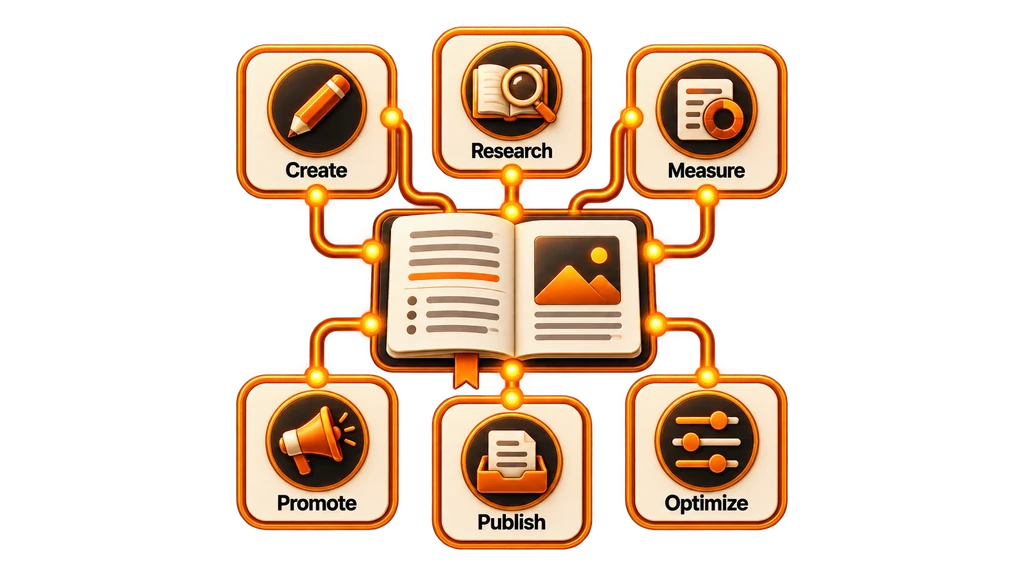
7. Use Visual and Interactive Formats Where They Help
Engagement includes how long people stay, what they interact with and whether they act afterwards. Consider these reported findings:
- 66% of marketers said interactive formats such as quizzes and infographics increased engagement. Market.us Scoop+1
- 44.4% of marketers using interactive content rated their strategies “mildly or very successful,” compared with 39.9% of those not using it. Siege Media
Charts, visuals, quizzes and infographics give readers other ways to understand an idea. Even a practical checklist or a well-chosen pull quote can help. Those formats can encourage deeper reading, more scrolling and more willingness to comment or share.
8. Answer the Intent Behind the Search
A common SEO problem is missing why the person started searching. Match that purpose instead of answering a different question. Three common types of intent are:
- Informational: Someone wants an explanation, as in “What is SEO?”.
- Navigational: Someone wants a particular destination, such as “Google Analytics login”.
- Transactional: Someone wants to buy or take a committed step, such as “Purchase SEO services”.
For the topic Tips for Creating Engaging and SEO-Friendly Content, the main purpose is informational . Give the reader usable guidance rather than turning the article into a sales pitch.
Support that search intent through:
- Clear answers to common questions.
- Steps the reader can put into practice.
- Relevant headings that support understanding and indexing.
- An FAQ section that addresses the remaining questions.
9. Connect the Right Internal and External Resources
Useful links help the reader and reinforce credibility. Make each destination relevant to the information around it:
- External links: Cite credible research, relevant statistics and trusted publications to support the explanation.
- Internal links: Guide visitors to related information on your own website so they can continue learning.
- Open links in a new tab when you want the current page to remain available.
For example, reference a search-ranking study externally and connect it with a more detailed keyword-research guide on your own website.
10. Use Performance to Improve the Next Version
Content needs attention after publication. To keep improving your use of Tips for Creating Engaging and SEO-Friendly Content, measure the response and refine the work.
- Review time on page, bounce rate, scroll depth, conversions and search rankings.
- Use Google Analytics, Search Console and visitor heatmaps to understand behavior.
- Find the successful pieces and identify what makes them work.
- Refresh older statistics, headings, visuals and explanations to keep the content useful.
If an older article loses traffic, revisit its examples and links, improve outdated material and consider multimedia that makes the explanation more relevant again.
Create for People and Make Discovery Easier
Putting Tips for Creating Engaging and SEO-Friendly Content into practice means combining persuasive, human writing with disciplined search optimization. Understand the audience, structure the information clearly, bring credible expertise, use helpful visual formats and answer the intended question. Refine the work with performance evidence so it earns attention as well as visibility.
Keep the priority clear: quality always wins. Useful information serves search engines' goals, while compelling explanations reward the reader's attention. Commit to both sides of the job.
Make the next piece clearer, more useful and more purposeful than the last.
FAQs
1: How often should the primary keyword appear?
The suggested density is about 1.30%: for a 2,500-word piece, approximately 30–35 uses, provided the result still reads naturally. The phrase Tips for Creating Engaging and SEO-Friendly Content should retain its specified wording.
2: Can the same keyword appear in more than one heading?
Yes. Include it in at least one subheading, while keeping the overall heading set clear and varied rather than repetitive.
3: What are LSI terms, and what are they intended to do?
They are phrases related to the main subject, such as “content strategy,” “audience engagement” and “search engine optimization.” They add context for search engines and a broader explanation for readers.
4: Does each paragraph need the keyword?
No. That would make the writing feel forced. Spread the term naturally through the piece instead of requiring it in every paragraph.
5: What length suits a detailed article on this subject?
Aim for at least 2,500 words when the subject needs a thorough treatment. That gives room for useful examples, tables, relevant links, visuals and detailed explanations.