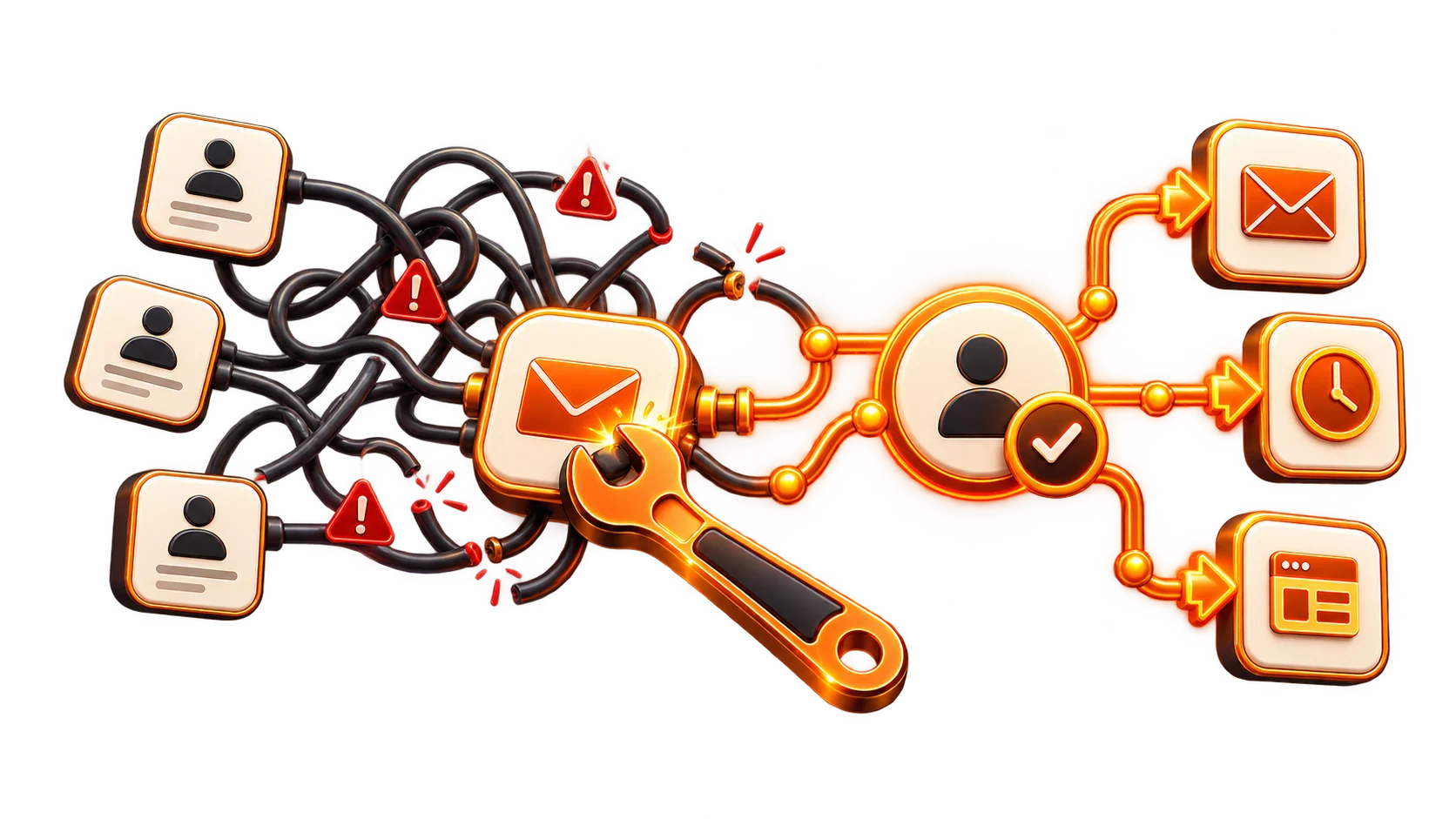
Marketing automation can make campaigns easier to run, keep leads engaged and improve conversion while saving time and resources. But when it is set up without the right foundations, the same tools can disconnect customers, waste the budget and leave campaigns underperforming.
Businesses often repeat preventable errors that weaken the whole automation plan. Generic communication and neglected customer data can both put leads, revenue and brand credibility at risk.
This guide examines the 10 most common marketing automation pitfalls, the problems they create and the practical changes that help address them.
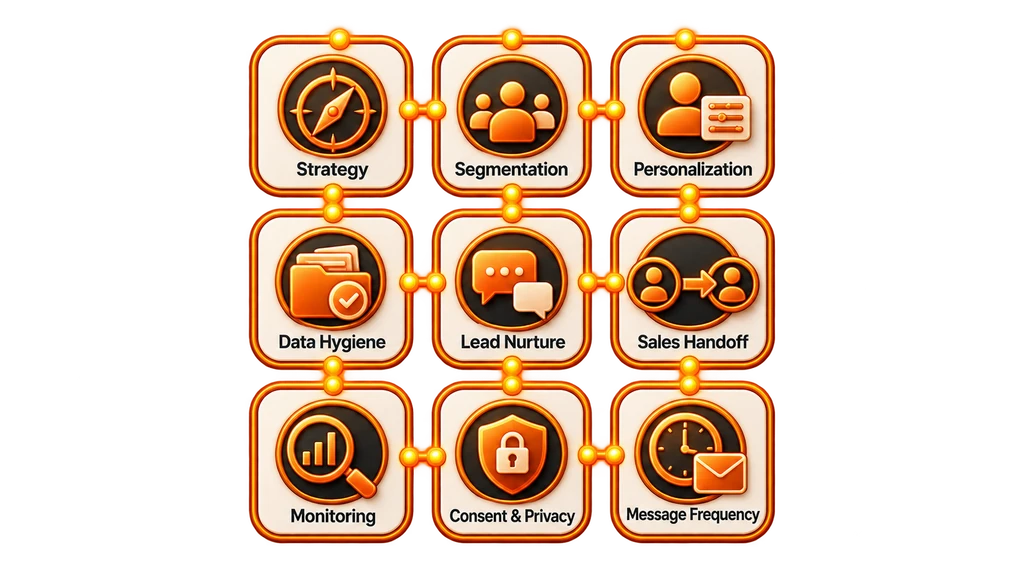
1. Choosing Tools Before Defining the Strategy
The Problem:
Automation is not the same solution for every business. Buying a tool without a plan will not make leads and sales appear on its own. Without a defined direction, automated campaigns can become disorganized, ineffective and even work against your goals.
Why It’s a Mistake:
- Without clear objectives, automation can drift away from the outcomes the wider business needs.
- You can end up systematizing the wrong work and spending time without creating useful value.
- Customers then receive messages that miss their needs or arrive at the wrong time, weakening engagement and the chance of conversion.
How to Fix It:
✔ Set specific marketing goals—for example, better conversion, stronger lead nurturing or improved retention.
✔ Document the customer journey—find the touchpoints where automation can make the experience better.
✔ Review and refine the approach regularly—use performance evidence to keep the strategy moving forward.
2. Treating the Whole Audience as One Group
The Problem:
A frequent mistake is broadcasting identical messages to everyone. Without useful segments, automated communication becomes broad and disconnected from individual needs, contributing to weaker engagement and more unsubscribes.
Why It’s a Mistake:
- People expect experiences relevant to them, so irrelevant emails can quickly become frustrating.
- Weak audience grouping contributes to fewer opens, fewer clicks and lower conversion.
- Without meaningful segments, you weaken the value of the automated workflow.
How to Fix It:
✔ Create relevant audience groups using demographics, behavior, purchase history and interests.
✔ Adapt the content dynamically so each group receives a more appropriate message.
✔ Keep the segments current as you learn from new customer information and interactions.
3. Automating the Relationship Out of the Experience
The Problem:
Automation should support relationships rather than stand in for them. When a business depends on it too heavily, communication can become mechanical and impersonal instead of feeling authentic.
Why It’s a Mistake:
- Too much automation can make even legitimate messages feel disconnected or spam-like.
- Recipients may simply stop paying attention to automated communication because it appears generic.
- Personal relevance is central to keeping attention—without it, people have less reason to stay engaged.
How to Fix It:
✔ Make personalization useful by reflecting a customer's name, purchases or browsing behavior.
✔ Let behavior trigger the message, including relevant cart reminders and product suggestions.
✔ Keep the balance deliberate—automate repeatable work and preserve human contact where it matters.
4. Letting Customer Data Become Unreliable
The Problem:
When the database contains obsolete, duplicated or inaccurate customer details, the resulting campaigns become less effective.
Why It’s a Mistake:
- Unreliable data produces irrelevant targeting and messages.
- Duplicate contacts consume unnecessary marketing resources and add confusion to the process.
- Inaccurate contact details weaken email deliverability and increase bounces.
How to Fix It:
✔ Clean and maintain the records regularly by removing duplicates and inactive contacts.
✔ Check email address validity before a contact enters an automated sequence.
✔ Keep the records in a CRM to support consistent, accurate customer information.
5. Asking for a Sale Before Nurturing the Lead
The Problem:
Many enquiries are not ready to buy immediately. A business that prioritizes immediate sales alone can overlook the relationship-building that makes later decisions possible .
Why It’s a Mistake:
- Pushing a lead toward a purchase before they are ready can produce poor conversion.
- Without follow-up, people may lose track of your brand and choose a competitor instead.
- Useful nurturing develops confidence and supports a more informed purchase decision.
How to Fix It:
✔ Build structured nurturing sequences that deliver useful information at each stage of the funnel.
✔ Share helpful education, relevant case studies and industry insight to keep prospects connected.
✔ Use lead scoring to decide when the enquiry is ready for a sales conversation.
6. Leaving Marketing and Sales Disconnected
The Problem:
Automated marketing and the sales team can work in separate systems, creating misalignment and missed opportunities.
Why It’s a Mistake:
- Marketing may generate the enquiries without giving sales the context needed to close them.
- Disconnected systems can create conflicting messages at different touchpoints.
- Enquiries without timely follow-up lose momentum and go to waste.
How to Fix It:
✔ Connect marketing automation with the CRM so lead information is shared in real time.
✔ Bring marketing and sales into alignment through regular communication and shared performance indicators.
✔ Make the handoff clear using lead scores and buying-intent signals.
7. Letting Automated Campaigns Run Without Review
The Problem:
A business may launch the workflow and stop checking it, allowing outdated campaigns to keep running.
Why It’s a Mistake:
- Old workflows stop adapting as customer behavior and the market change.
- Weak campaigns continue consuming resources when nobody intervenes.
- Without ongoing improvement, the business misses opportunities to grow.
How to Fix It:
✔ Monitor the key performance metrics including opens, click-through rates and conversions.
✔ Compare alternatives with A/B tests for subject lines, calls to action and content formats.
✔ Review and refresh the automation workflows on a regular basis.
8. Overlooking Privacy and Compliance Obligations
The Problem:
As privacy rules such as GDPR and CCPA become more important, ignoring obligations can bring substantial fines and damage to reputation.
Why It’s a Mistake:
- Email sent without consent may breach applicable requirements.
- Weak security can expose customer information.
- Unclear data practices undermine customer confidence.
How to Fix It:
✔ Secure explicit consent before adding people to an automated sequence.
✔ Make your privacy policy current and easy for people to find.
✔ Make it simple to unsubscribe when they choose from marketing messages.
9. Sending More Messages Than Customers Want
The Problem:
Automation makes extra emails and notifications easy to send, but a constant stream of communication can leave recipients overwhelmed. If the experience feels spammy, people may ignore messages, unsubscribe or report them as spam.
Why It’s a Mistake:
- Excessive contact can weaken the brand's message and make communication feel intrusive.
- More spam reports harm deliverability and the reputation of the sending domain.
- Sending too often lowers engagement and creates fatigue with your emails.
How to Fix It:
✔ Define a sensible contact frequency around what the audience prefers.
✔ Favor useful content over volume—every message should be relevant and valuable.
✔ Combine behavioral triggers with AI to send when people are more likely to engage.
✔ Let customers choose the updates they want, such as weekly or monthly communication.
✔ Watch unsubscribes and spam complaints and adjust the campaign when those signals change.
Make Automation an Asset, Not Another Source of Friction
Automation is useful, but poor execution can reduce engagement, waste resources and weaken the reputation you are trying to build. Addressing these mistakes helps the business run more effective campaigns, develop stronger relationships and improve the opportunities for conversion and revenue.
Keep personalization, privacy, data quality and customer engagement at the center of the work. Those foundations turn automated campaigns into marketing assets worth maintaining.
🔹 Review your current workflows: do they help the customer move forward or create more friction? An automation audit can clarify where the system needs a better strategy, cleaner data or a more useful next step.
FAQs
1. What does marketing automation cover?
It uses software to coordinate, automate and measure recurring marketing work, including email campaigns, lead nurturing, social publishing and audience segmentation.
2. How can automated marketing feel more relevant?
Reflect useful information such as the customer's name, purchases, browsing activity and preferences in the message. Audience segments and dynamic content can make that relevance more consistent.
3. How often should automated emails be sent?
The suitable rhythm depends on the industry and audience. A useful starting guideline is 1-2 emails per week. Too many messages can increase unsubscribes, so keep checking how people engage.
4. Which tools support marketing automation?
Common options include HubSpot, ActiveCampaign, Marketo, Mailchimp, Pardot, and Klaviyo. They support automated email, nurturing workflows and performance measurement.
5. How can I support data privacy compliance in automation?
Begin by obtaining clear permission before collecting personal information, giving people straightforward ways to opt out, securing the data and following relevant rules such as GDPR, CCPA, and CAN-SPAM. Keep privacy policies current as well.